
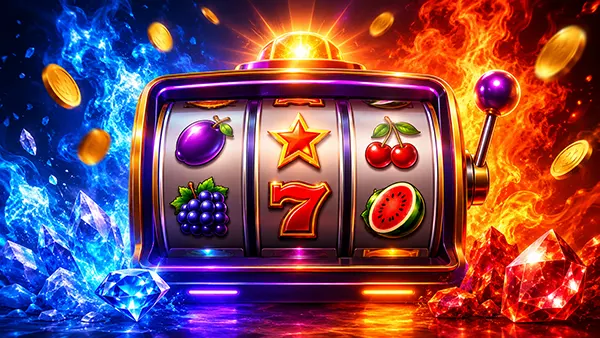
Myths About “Hot” and “Cold” Slots: Why Players Still Believe in Them
Slot machines have always generated discussions among casino players. Some gamblers are convinced that certain games enter a “hot” streak and start paying frequently, while others believe that “cold” slots can absorb money for hours without returning noticeable winnings. These ideas remain popular in 2026 despite the fact that modern online slots are based on random number generators and certified mathematical models. The belief in patterns continues to influence player behaviour because gambling is strongly connected with emotions, personal experience and cognitive bias. Understanding why these myths exist helps players make more rational decisions and avoid unrealistic expectations while playing online slots.
How the Idea of “Hot” and “Cold” Slots Appeared
The concept of “hot” and “cold” machines appeared long before digital casinos became common. In land-based venues, players often observed crowds gathering around specific slot cabinets after somebody won a large jackpot. This created the impression that some machines were temporarily more generous than others. At the same time, machines that had not produced visible wins for long periods gained a reputation for being “cold”.
In modern online casinos, these beliefs continue because players naturally search for patterns. Human psychology is designed to connect separate events into logical sequences even when outcomes are random. If a player wins twice within a short session, they may assume the slot has entered a profitable cycle. After several losses, the same game may suddenly appear “rigged” or “inactive”.
Another reason behind these myths is the visibility of large wins on casino websites. Many operators display recent jackpots or lists of players who received significant payouts. While this information is real, it does not mean the slot is currently more likely to pay again. Every spin remains statistically independent from previous outcomes.
Why Randomness Feels Unconvincing to Many Players
Most slot games in 2026 operate through certified RNG systems, also known as random number generators. These algorithms constantly generate combinations even when nobody is spinning the reels. The result of each spin is determined instantly and does not depend on previous wins or losses. This means a slot does not “remember” what happened earlier.
Despite this, many players struggle to accept pure randomness because the human brain prefers predictable explanations. People often believe that a machine “must” eventually pay after a losing streak. This psychological effect is known as the gambler’s fallacy. It creates the false expectation that future outcomes can balance previous results.
Streaming culture and gambling communities also contribute to these myths. Videos showing long winning sessions often spread rapidly online, while unsuccessful sessions receive less attention. As a result, some players begin believing that certain slots can genuinely become “hot” for extended periods, even though the mathematical structure of the games does not support this idea.
How RTP and Volatility Influence Player Perception
Confusion around “hot” and “cold” slots often comes from misunderstanding RTP and volatility. RTP, or Return to Player, represents the theoretical percentage of wagered money a slot returns over millions of spins. For example, a 96% RTP slot theoretically returns £96 for every £100 wagered in the long run. However, this does not guarantee short-term results for individual players.
Volatility has an even stronger impact on perception. High-volatility slots can produce long periods without meaningful wins followed by large payouts. During losing streaks, players may describe the game as “cold”. When a major feature or jackpot finally appears, the same slot can instantly gain a “hot” reputation among casino communities.
Modern providers such as NetEnt, Pragmatic Play, Play’n GO and Microgaming openly publish RTP information for many games. Independent testing agencies including eCOGRA and iTech Labs also verify fairness standards. These audits exist specifically to ensure that slot outcomes remain random and cannot shift between “hot” or “cold” modes during normal gameplay.
Why Recent Wins Do Not Predict Future Outcomes
Players frequently monitor recent jackpot histories and assume that a slot paying several winners in one day is more likely to continue producing rewards. In reality, slot algorithms do not increase payout frequency after a successful spin. The probability of each outcome remains constant according to the game’s programmed mathematics.
This misunderstanding becomes stronger during bonus features. A player may trigger free spins twice within ten minutes and conclude that the game is currently active. Another player may spend an hour without activating a bonus round and describe the same slot as dead. Both experiences are possible within random statistical distribution.
Online casinos also personalise gaming experiences through recommendations and promotional sections, but these features do not alter slot probabilities. Licensed operators regulated by authorities such as the UK Gambling Commission or Malta Gaming Authority must comply with strict technical standards that prohibit manipulation of individual game results.

The Psychological Reasons Players Continue Believing These Myths
Belief in “hot” and “cold” slots survives because gambling involves strong emotional reactions. Wins create excitement and reinforce memory, while losses encourage players to search for explanations. Many people feel more comfortable believing that outcomes follow hidden cycles rather than accepting complete randomness.
Another important factor is selective memory. Players often remember dramatic winning streaks more clearly than ordinary losing sessions. If somebody receives a large payout after changing slots, they may convince themselves they successfully identified a “hot” machine, even though the result was random.
Social influence also plays a major role. Gambling forums, streaming communities and casino chat discussions regularly spread stories about slots that are “paying today”. These conversations create a sense of shared strategy and experience, which can make the myths feel more believable even without factual evidence.
How Players Can Approach Slots More Realistically
A more practical approach to slot gaming starts with understanding that slots are entertainment products rather than predictable systems. Instead of searching for “hot” machines, players benefit more from comparing RTP rates, volatility levels, bonus mechanics and bankroll requirements. These factors provide real information about how a game behaves statistically.
Responsible gambling tools have become more advanced in 2026, with many casinos offering session timers, spending limits and behavioural tracking systems. These features help players maintain realistic expectations and reduce emotional decision-making during long sessions.
Understanding randomness does not remove the excitement from slot games. Instead, it helps players recognise that short-term outcomes are unpredictable by design. Myths about “hot” and “cold” slots continue because they offer simple explanations for complex emotions, but certified online casino games operate according to mathematics rather than temporary luck cycles.
Similar articles
-
 Casinos Without Traditional Slot...
Online casino catalogues in 2026 are no longer defined solely by reel-based slots, …
-
 Why Can the Same Slot Have Diffe...
A slot can keep the same name, artwork and basic features yet behave …
-
 What Happens to Your Bet If the ...
A lost internet connection in the middle of a slot spin can make …
-
 Why People Choose Different Type...
People choose different types of casino games because every format offers a different …